
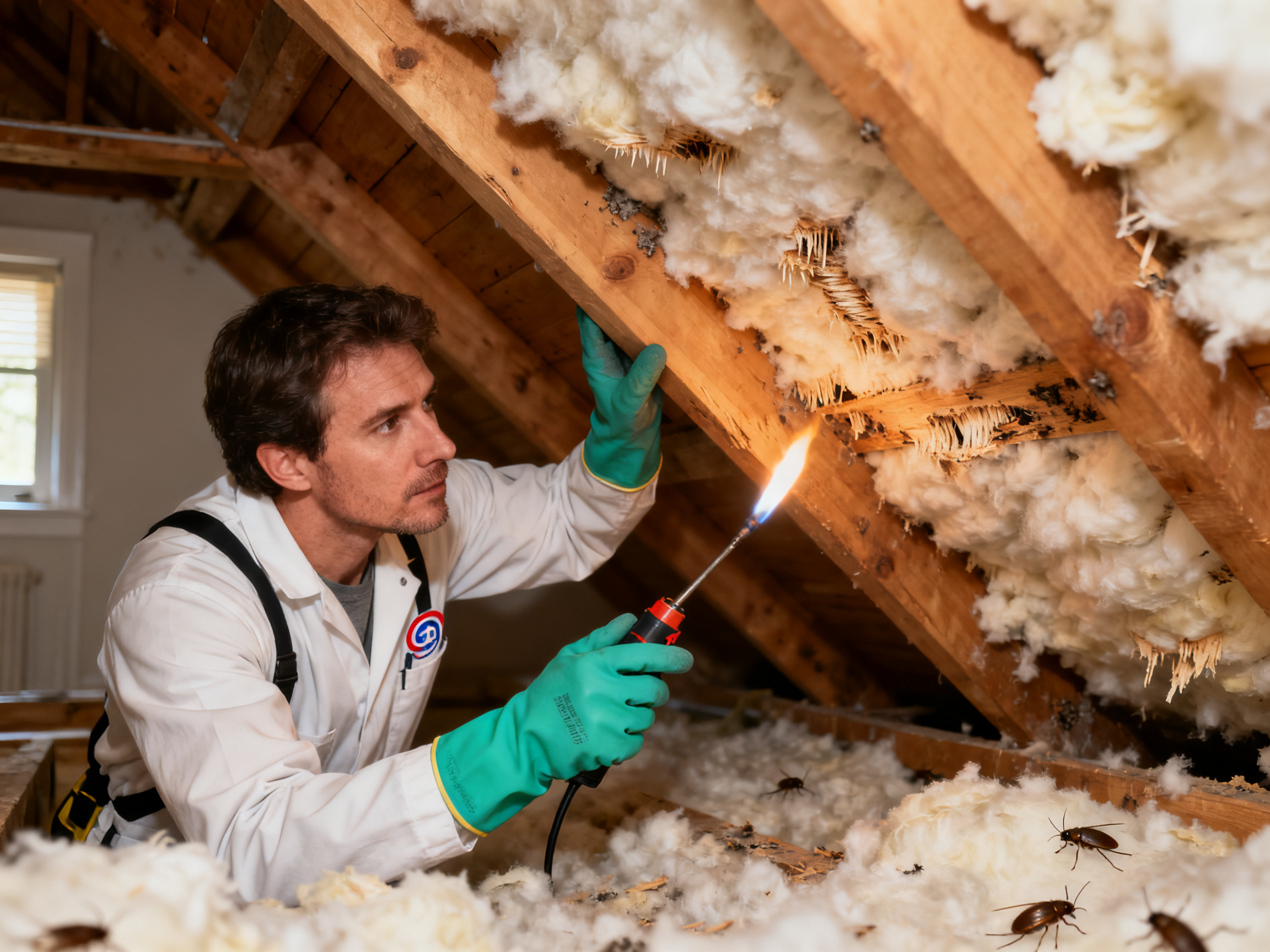
Squirrels in Loft? Signs, Damage and What to Do
Squirrels in loft spaces can cause serious damage if they are left untreated. If you hear loud scratching during the day, notice chewed insulation, or find signs of nesting in the roof space, professional removal and proofing is usually the safest way forward.
How to Tell If Squirrels Are in Your Loft
Squirrels are active during daylight, so noises are often heard in the early morning or late afternoon rather than in the middle of the night. The sounds can be louder than mice or rats because squirrels are larger and move quickly across joists and insulation.
Common signs include scratching, scurrying, damaged insulation, gnaw marks around roof timbers or cables, and nesting material gathered into one area. You may also notice droppings or a strong smell if the problem has been present for some time.
Will Squirrels Damage a Loft?
Yes. Squirrels gnaw constantly and can damage electrical cables, water pipes, roof timbers and stored items. Chewed wiring can create a fire risk, while damaged pipes can lead to leaks if the problem is ignored.
They can also contaminate insulation with urine and droppings. Once squirrels have settled in, they may return to the same entry point unless it is properly proofed after removal.
Why DIY Squirrel Removal Is Risky
Blocking a hole without checking the loft first can trap animals inside, which often makes the problem worse. It can also lead to further damage as squirrels try to chew their way out.
Grey squirrels are an invasive non-native species in the UK and must be dealt with correctly once captured. A professional pest controller can inspect the property, follow the right legal process, and advise on proofing that prevents re-entry.
How Nigel Caves Deals with Squirrel Problems
We start by checking the loft and roofline to confirm the pest, find the access points, and assess the damage. If squirrels are present, we use suitable control methods and explain the process clearly before work begins.
Once the activity has stopped, proofing is the important final step. Sealing gaps with the right materials helps stop another squirrel moving into the same space later.
Related Pest Advice
These guides cover common follow-on questions people ask when they are trying to identify a pest problem or decide what to do next.
Mice in House in Autumn? Why It Happens
Why mouse problems increase in autumn and what to do before a small issue becomes an infestation.
Wasp Nest RemovalWasp Nest in Spring? What to Do Early
What early wasp nest activity looks like and why spring treatment is often the best option.
AdvicePest Control Stigma: Why Asking for Help Matters
A reassuring guide for homeowners and businesses who feel embarrassed about a pest problem.
Need Professional Help?
If this sounds like the problem at your property, Nigel Caves Pest Control can help with clear advice, practical treatment and no call-out charge.
Frequently Asked Questions
What time of day do squirrels make noise in the loft?
Squirrels are usually noisy in the early morning and late afternoon because they are active during daylight. Noises at night are more commonly linked to rats or mice.
Can squirrels chew through electrical cables?
Yes. Squirrels gnaw to keep their teeth worn down and can damage electrical cables, timber, pipework and insulation.
Should I block the hole if squirrels are getting into my roof?
Do not block the entry point until you know the loft is clear. Trapping squirrels inside can cause more damage and distress.